
#m25movers #CaseStudy
Why Moving Home Is More Stressful Than Giving Birth (Yes, Really)
If you’ve ever wondered why clients melt down over a scratched IKEA chair or a 7-minute delay, here’s the answer: moving home genuinely fries people’s brains. UK studies show it beats childbirth, divorce, and starting a new job on the stress scale. Welcome to the emotional warzone we work in daily.
The Brutal Stats Behind Why People Lose the Plot When Moving
Turns out people aren’t dramatic. The process is.
Here’s what the UK numbers reveal:
57% of Brits say moving home is the most stressful life event, beating childbirth and divorce.
33% rank it above job interviews, new jobs, and even dental procedures (yes, the dentist one).
Nearly 2 in 3 lose sleep before, during, and after the move.
41% get anxiety, 31% sleep terribly, and 4 in 10 say moving made them physically or mentally unwell.
77% say their last move increased their stress — as if it wasn’t already bad enough.
72% say it caused arguments, health issues, or full-on emotional spirals.
And 35% of homeowners don’t move at all because they’re terrified of the stress.
So when a client panics, catastrophises, or rewrites reality?
That’s not poor memory, that’s move-day brain chemistry.
Moving home tops childbirth, divorce, and the pandemic on the UK stress list — and we show up right at the peak of it.
Target
Understand that clients arrive to move day already stressed, already exhausted, already spiralling.
Half way
The tiniest hiccup can feel like the end of the world when someone is running on zero sleep, max anxiety, and a full house of memories.
results
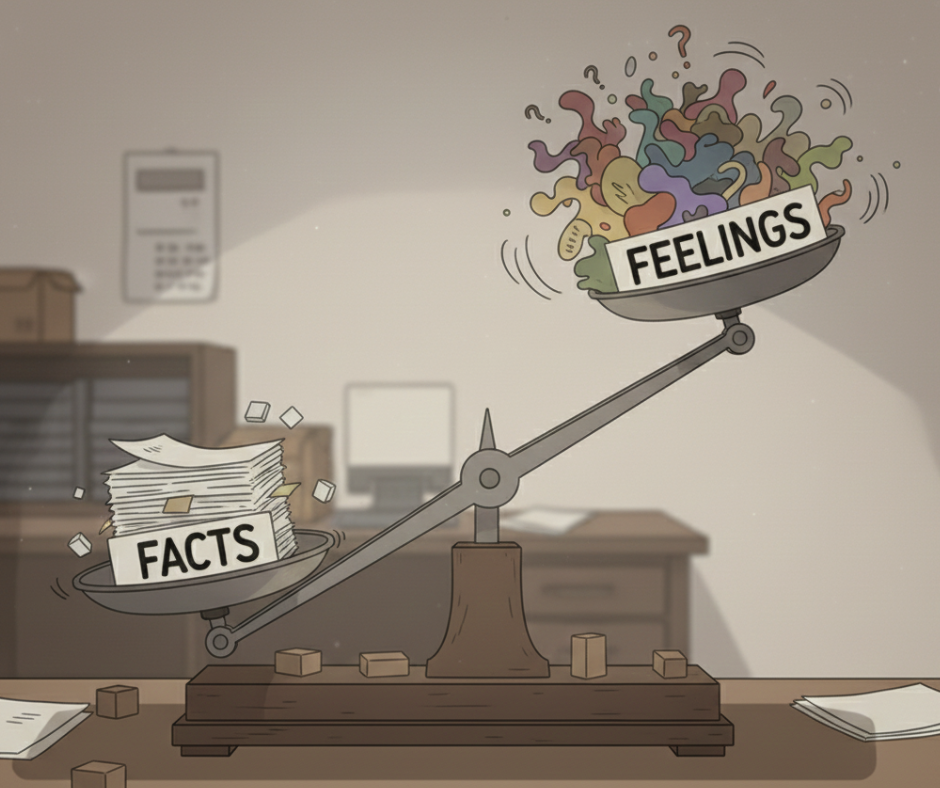
When we handle claims with empathy and backbone, stress doesn’t turn into compensation. Facts stay facts.

HOW IT UNFOLDS
- Client spends weeks (or months) preparing their life to be dismantled.
- Stress builds with paperwork, chains, deadlines, agents, solicitors — all before we even show up.
- Move day hits. Adrenaline spikes. Every sound feels like a threat.
- A minor inconvenience suddenly becomes “the biggest issue of the entire move”.
- Claims pop up not because client is overwhelmed and looking for somewhere to put the stress.
problem identifIED
Clients aren’t reacting to us. They’re reacting to the cocktail of exhaustion, pressure, costs, paperwork, deadlines, sleep deprivation, and emotional chaos that comes with moving home. We become the closest outlet for their stress, even when nothing is actually wrong.

Challenge
We need to acknowledge the stress without letting it be used as a weapon against the facts, our crew, or the claims process. We’re up against:
01
Elevated emotions
02
Stress-distorted memory
results
By staying calm, documenting everything, and refusing to let stress overwrite reality, we protect the crew, the truth, and the company.
ZERO
stress-based payouts
100%
team morale intact
Solution
Solution
The Backbone Approach
We didn’t cave to emotional narratives. Facts > feelings. Our notes, photos, logs, and timelines kept the claim grounded all the way through.
Clear Boundaries, Clean Records
Because everyone knew the truth was documented, no one felt thrown under the bus by a stressed-out client looking for someone to blame.
03
Misplaced blame
04
The “everything went wrong today” mindset
LESSONS LEARNED
Moving makes even the calmest people a bit unhinged. Understanding that helps us navigate the chaos with clarity, confidence, and the right mix of empathy and firm boundaries.
- Expect stress-driven exaggeration. It’s normal.
- Always separate the client’s emotions from the factual timeline.
- Documentation saves lives (morale lives, but still).
- Empathy is good, but truth is better.